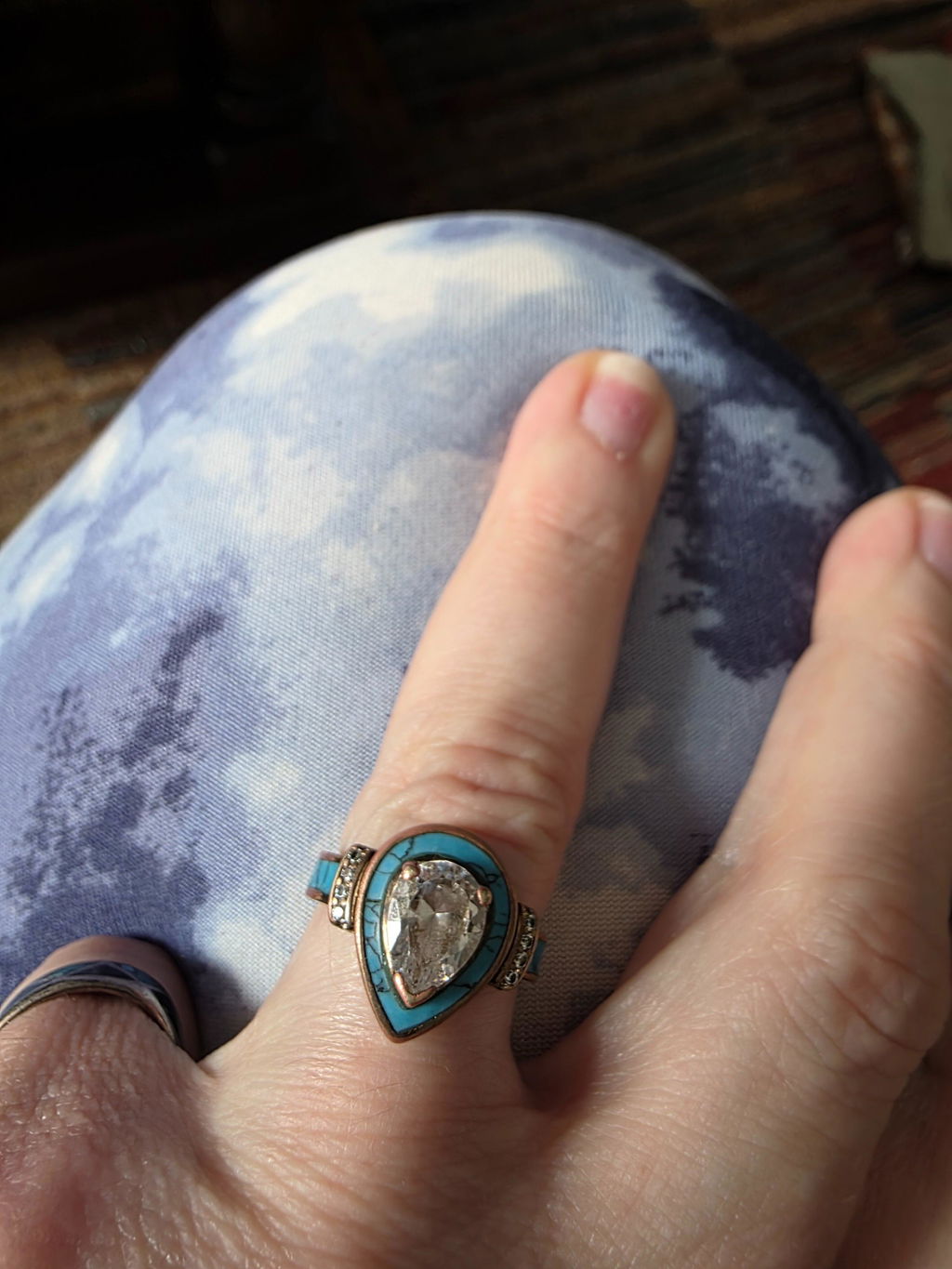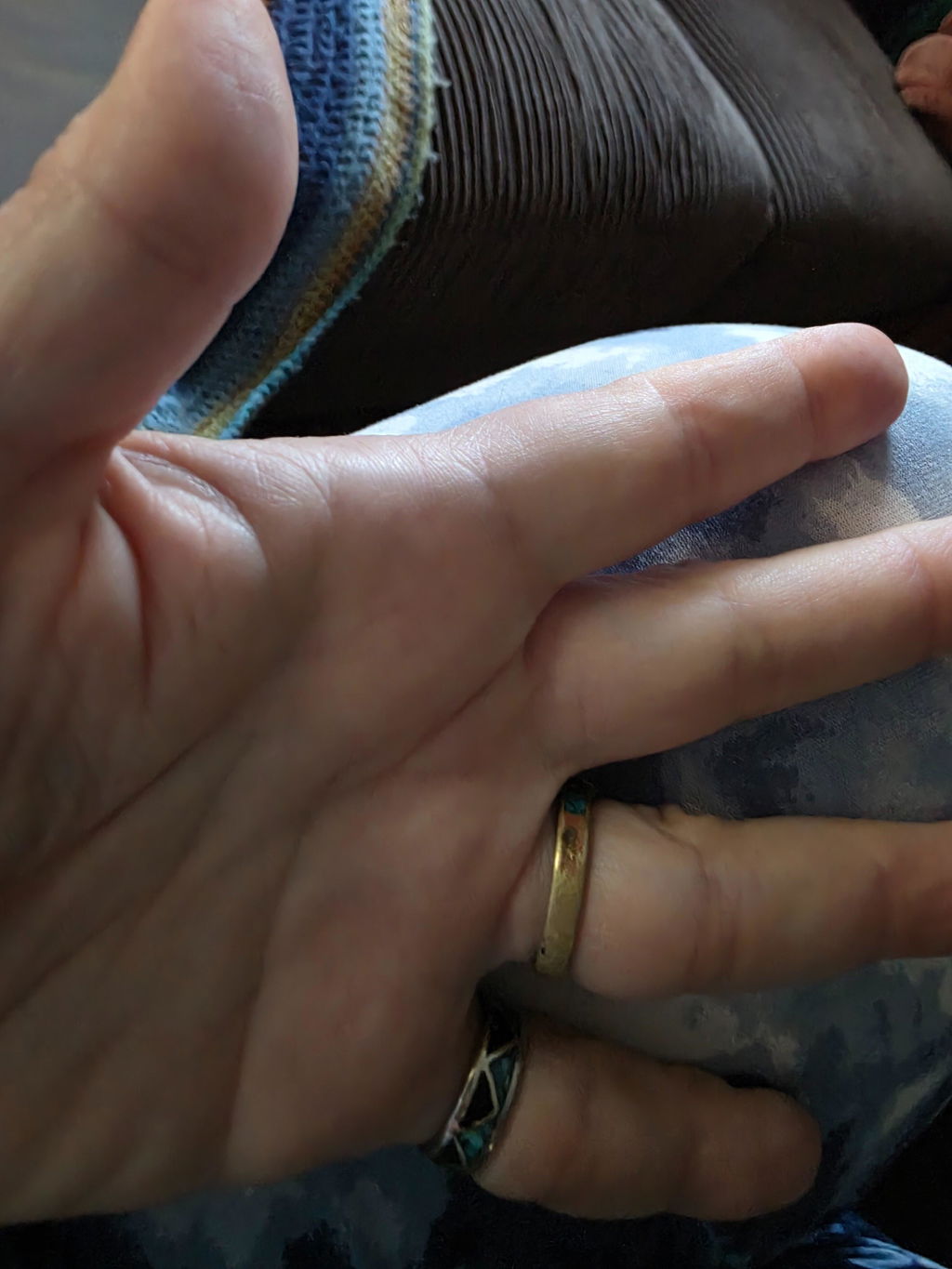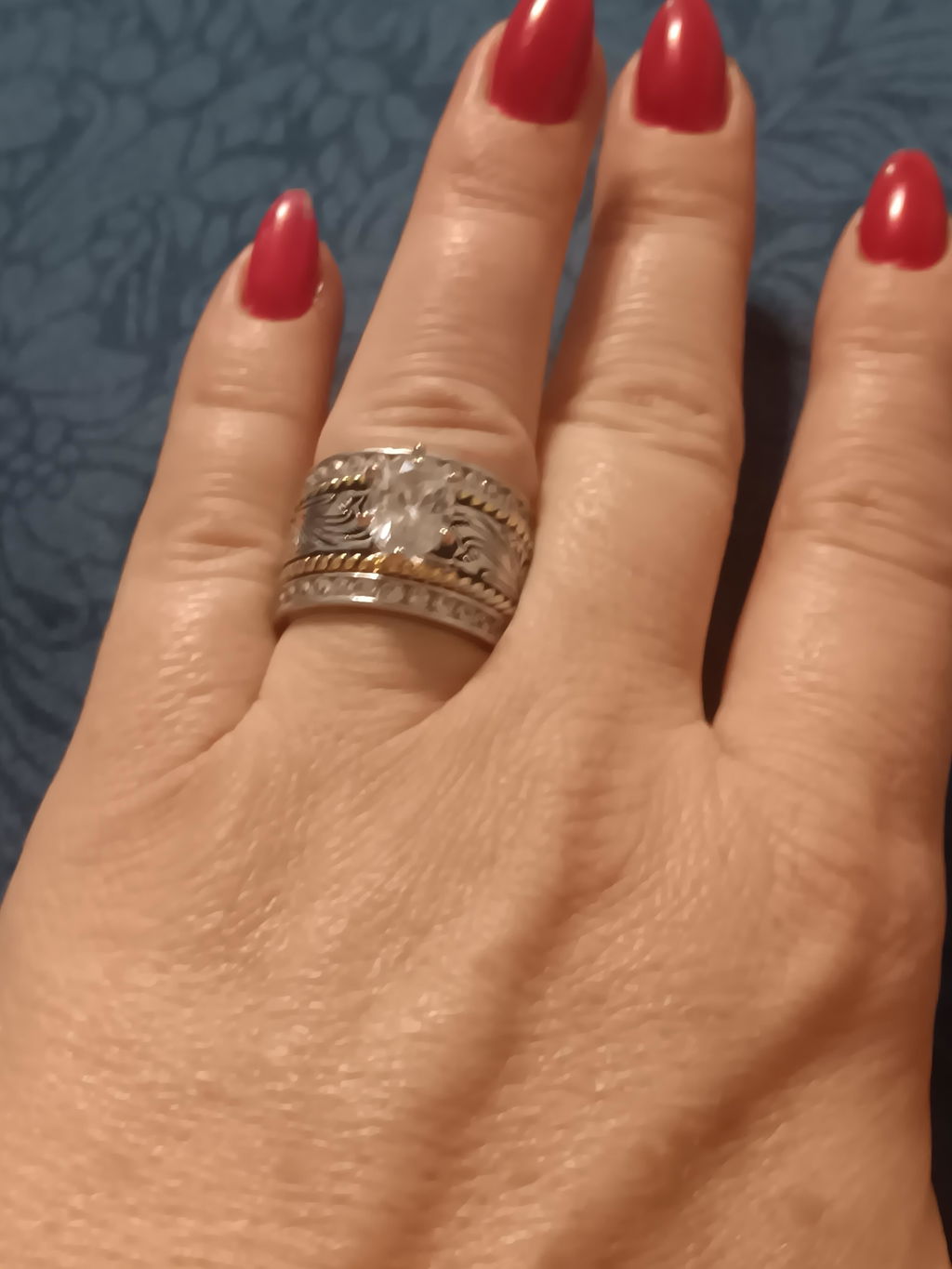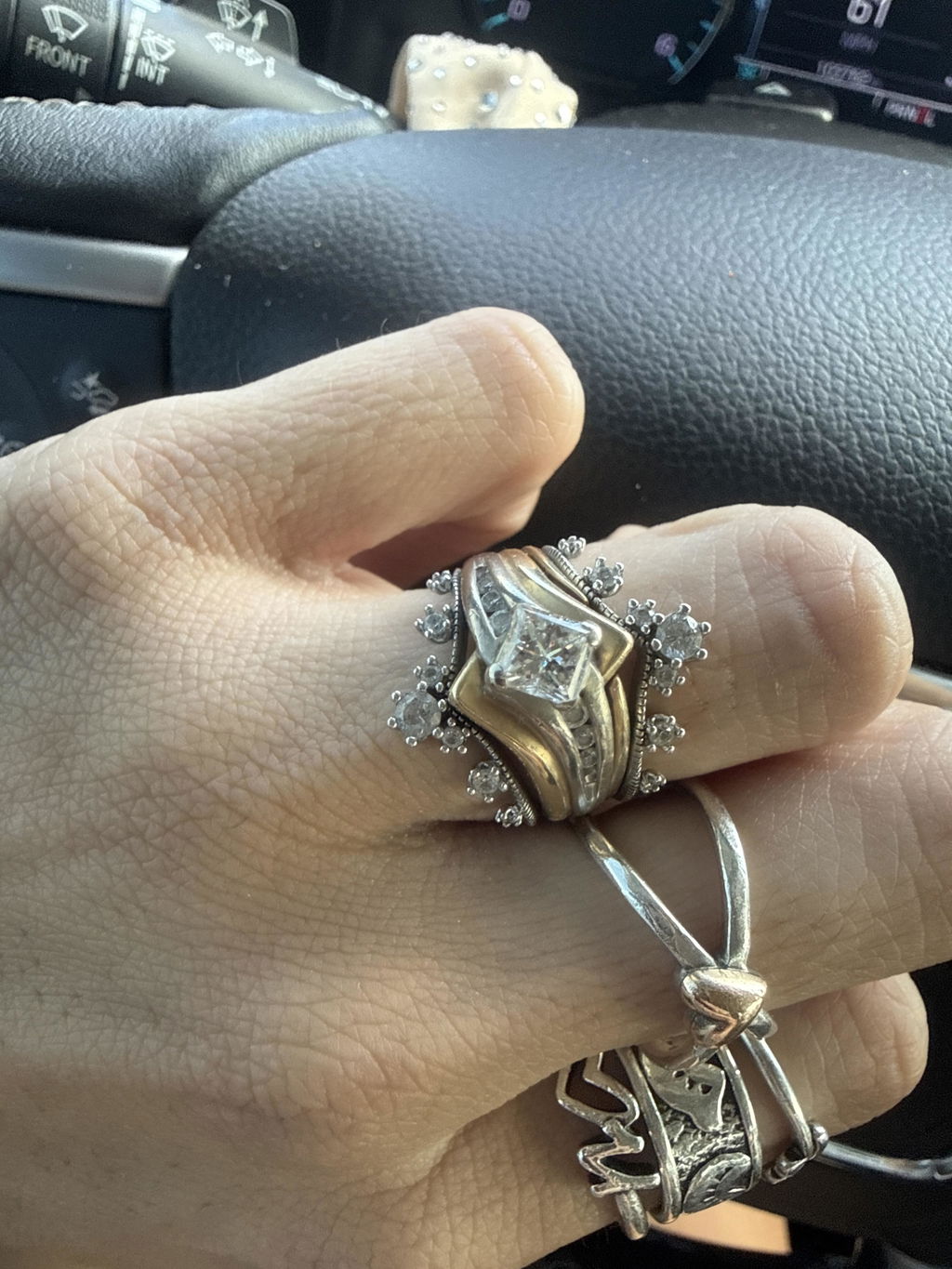

A wide band may need a different size from a narrow ring, but there is no universal half-size adjustment. The useful question is not just “Should I size up?” It is “Have I checked this width and inner shape on the finger that will wear it?” Start with a fitting in a similar-width band, then compare that result with the sizes offered for the actual design.
This guide focuses on fit before an online purchase. For the visual differences between slim, medium and broad styles, see our guide to engagement ring band widths.
Band Width and Ring Size Are Different Measurements
Band width is the distance across the band, usually listed in millimeters. Ring size describes the opening that fits around your finger. An 8mm band and a 2mm band can carry the same US size number yet feel different on your hand. Width is therefore a useful product specification, not a substitute for a size measurement.
“Wide” is also a descriptive term, not a guarantee that two rings have identical dimensions. Compare the numerical width in each listing. Look at the underside as well as the face: a ring with a broad decorative top may taper toward the palm, while an even-width band keeps a similar width around the finger.

Why a Wider Ring Can Feel Different
A wider band covers more of the finger. Its inner profile, any taper and the shape of your knuckle also influence fit. A curved inner surface can feel different from a flatter one, even where the stated size is the same. Do not assume a ring has a particular inner profile unless its listing or the seller confirms it.
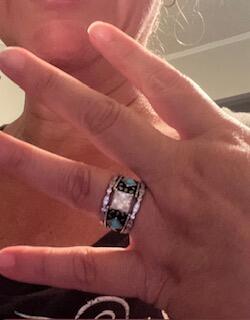
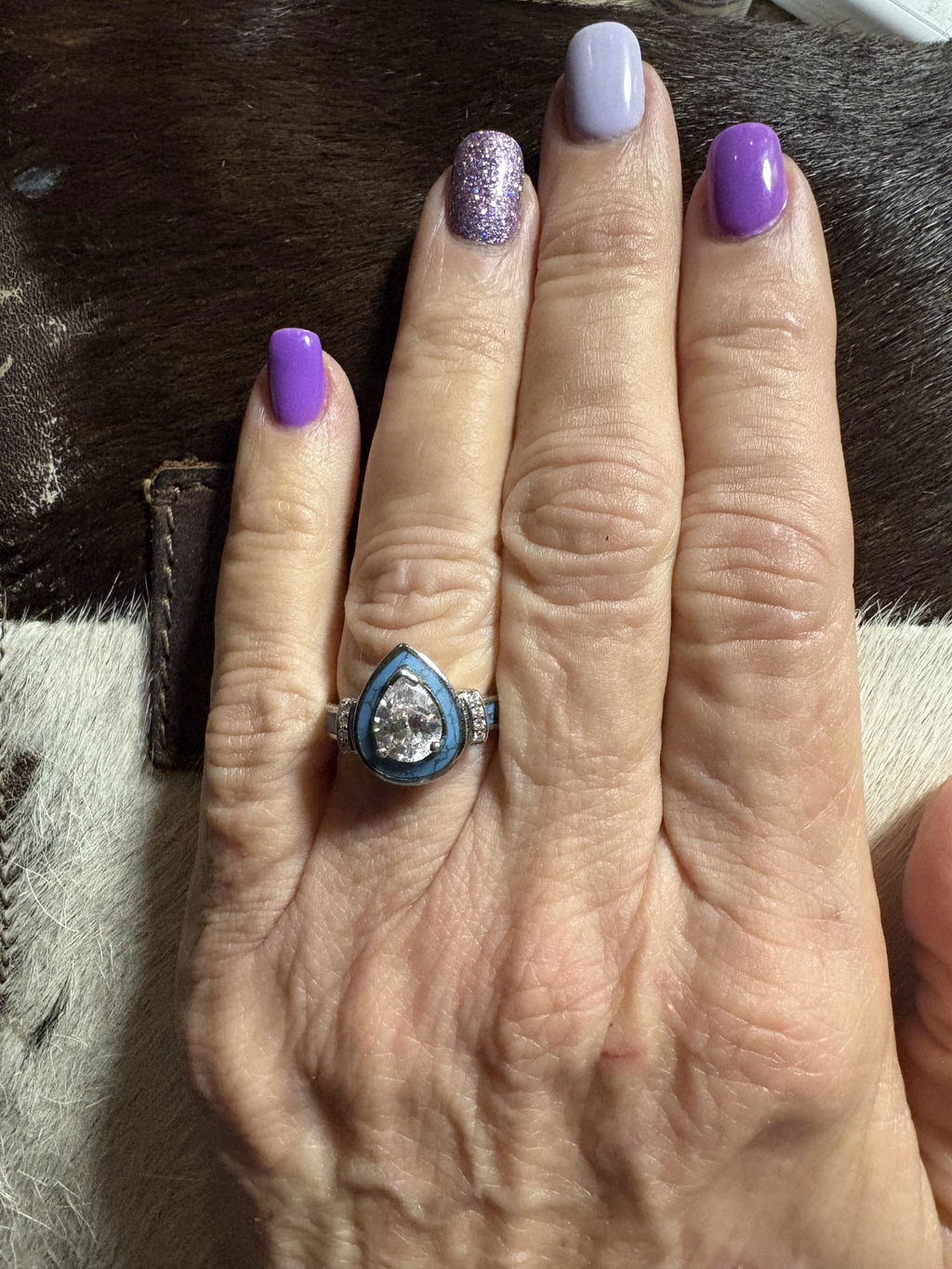
Several rings worn together also need to be considered as a group. Your engagement ring may fit well alone but feel less comfortable beside one or two bands. Check the planned stack together, rather than sizing each component in isolation and assuming the combination will feel the same.
GIA's ring-sizing guidance distinguishes wide rings, tapered rings and bridal sets. That is why a fitting with an appropriate gauge is more useful than a fixed size-up rule.
A Practical Fitting Checklist Before You Order
1. Choose the finger and hand first
Measure the actual finger you intend to use. Do not transfer a size from the other hand or from a different finger without checking. If the ring is a surprise gift, a ring the recipient wears on that exact finger is a better starting point than a guess, but its width still needs to be considered.
2. Try a gauge close to the intended width
Ask a jeweler to help you compare a narrow gauge with a wider one. Explain whether you are buying a single band or a stack. Bring the product's listed width and a side-view photograph if available. If the top tapers substantially, ask how that construction should affect the fitting.
3. Check movement as well as the number
Check how the gauge passes over the knuckle, rests at the base and feels when you gently bend your finger. Do not force it over the joint. A size that is easy to put on but slips off too freely may not be secure; one that feels restrictive is not a good fit simply because its number matches an old ring.
4. Repeat if the result is uncertain
Fit can vary with temperature and temporary changes in finger size. Avoid basing an order on one hurried measurement when your hands are unusually cold or warm. If two fittings disagree, ask for another check instead of averaging the numbers and hoping for the best. GIA's ring size guide explains the tools used to measure fingers and existing rings.

What to Do With Common Sizing Questions
| Situation | Useful next step |
|---|---|
| Your narrow ring fits, but you want an 8mm band | Try a comparable-width gauge before selecting a size. |
| The ring has a broad top and narrower underside | Check the taper and ask a jeweler to assess the fit. |
| You plan to wear three rings together | Try the combined width and check how the rings sit together. |
| You fall between the listed sizes | Ask about that design's options; do not assume resizing is possible. |
| Your knuckle is much larger than the finger base | Get an in-person fitting to balance removal and security. |
Compare Real Widths Before Choosing a Style
In our Western wedding bands collection, the leaf-engraved steel band is listed at 6mm, while the floral steel wedding band is listed at 8mm. The comparison helps you judge how much space each band occupies; it does not tell us your correct size.
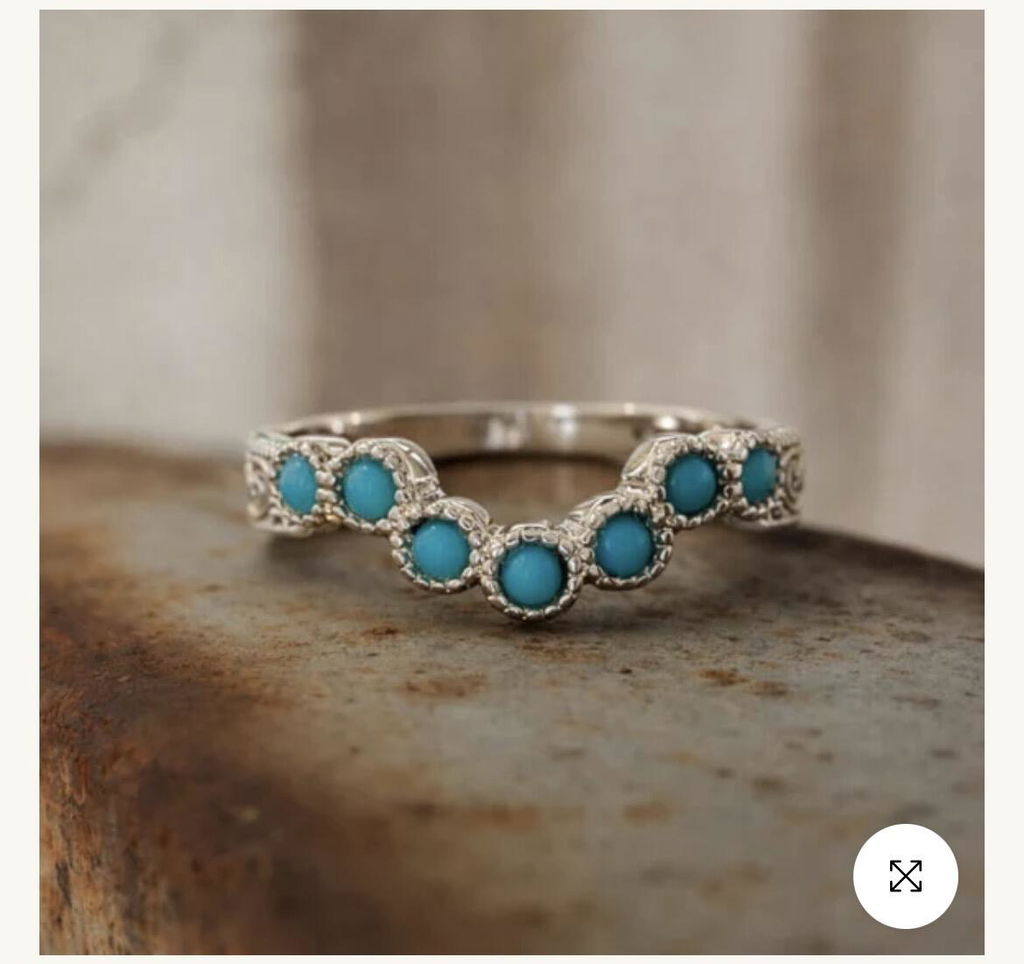
If you prefer a blue accent, the steel band with turquoise accents is listed at 5mm. Check its current size selector and specifications. Width, base metal, finish and stone details are separate attributes; a silver-tone color alone does not establish that a ring is sterling silver.
Keep a short note of the design, width, selected size and intended finger. For two wearers, make separate notes and check each person's fit. If you are buying a multi-piece listing, confirm whether it is a stack for one wearer or a set intended for two people.

Do Not Rely on Resizing as a Backup Plan
Before ordering, ask whether the particular metal and construction can be resized and whether the retailer offers the size you need. An engraved pattern, plating or inlay can complicate changes. A size exchange and a jeweler physically resizing a ring are different processes, so confirm which option applies rather than treating the terms as interchangeable.
For an at-home starting point, use our ring size guide and check the chart's instructions. If a chart is printed, verify its scale before using it. A paper or string measurement is an estimate; it cannot show how the actual width, inner profile or stack feels on your hand.
Quick Answers
Should I always go half a size larger for a wide band?
No. A larger size may be appropriate, but the adjustment depends on the ring and wearer. Compare similar-width gauges and use the result for the actual design instead of applying one rule to every band.
Can I use my engagement ring size for a wedding band?
Use it as a starting point, then check the wedding band's width and the combined fit if you will wear both together. The same size label does not guarantee the same wearing experience.
Does a wider ring automatically last longer?
No. Width describes one dimension. Metal, thickness, settings, inlays and the way a ring is worn also matter. Choose a design that suits your routine, and remove rings for tasks where they could be caught or struck.
Order With the Fit Questions Answered
Before checkout, confirm the intended finger, a fitting suited to the band's width, the available size and what is included in the listing. If any of those details is uncertain, resolve it before ordering. A careful comparison is more useful than automatically choosing a larger number.