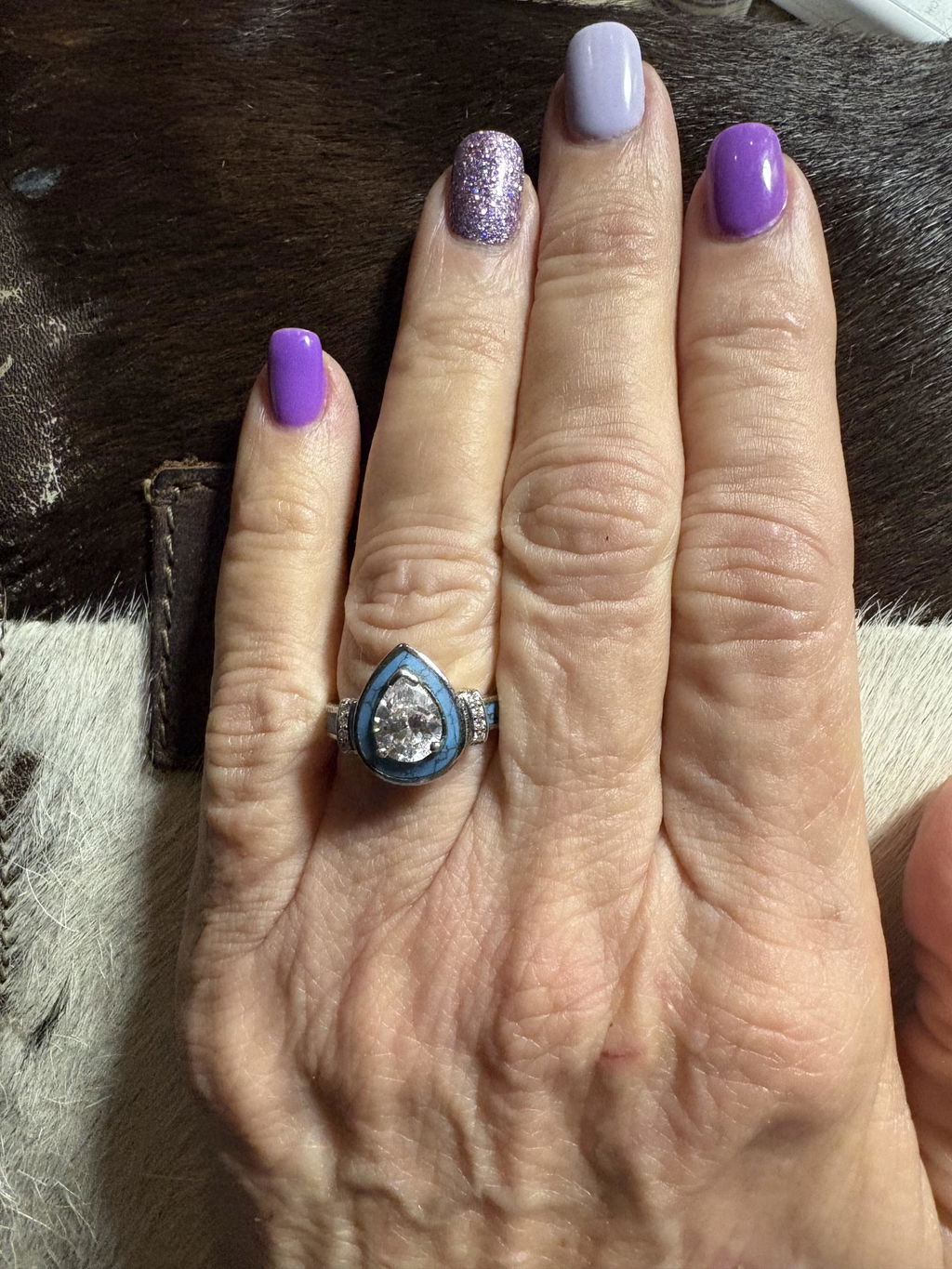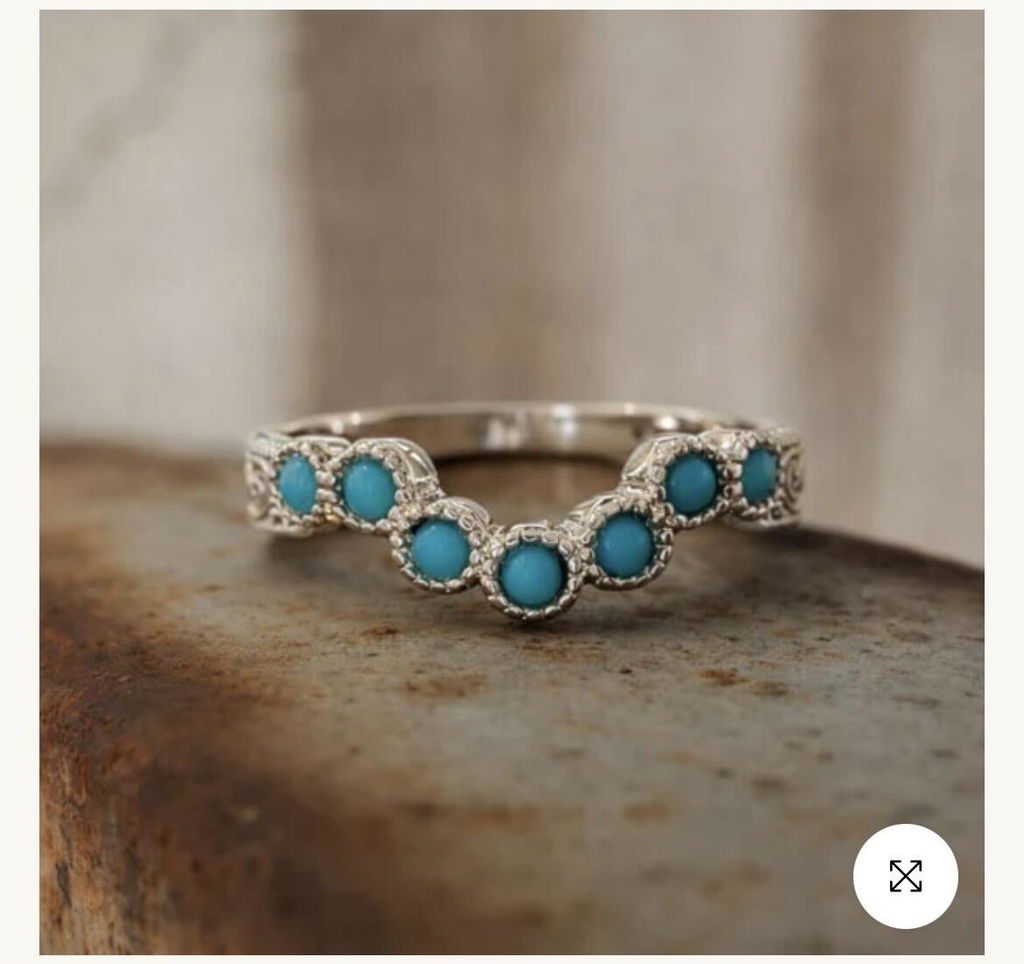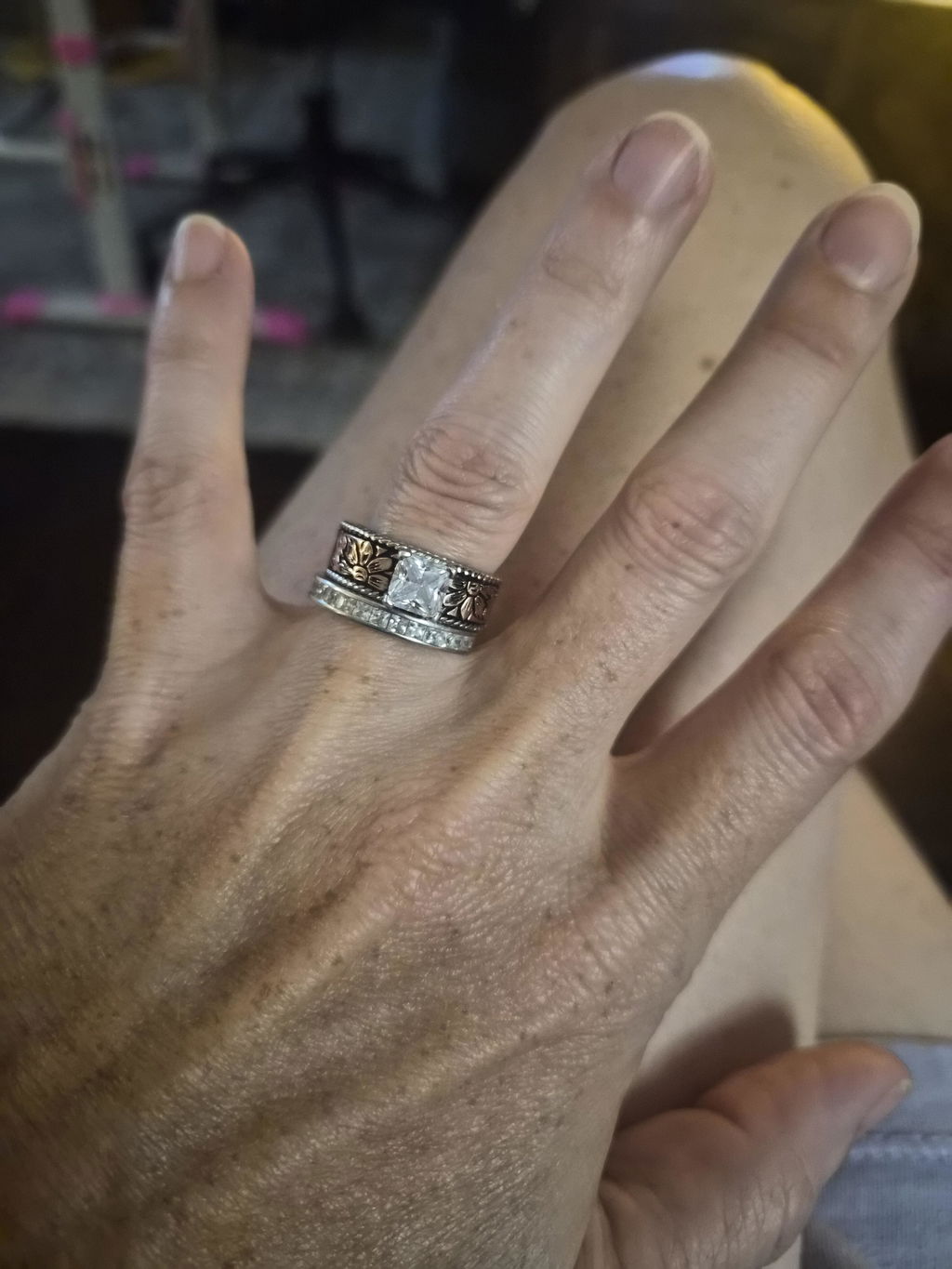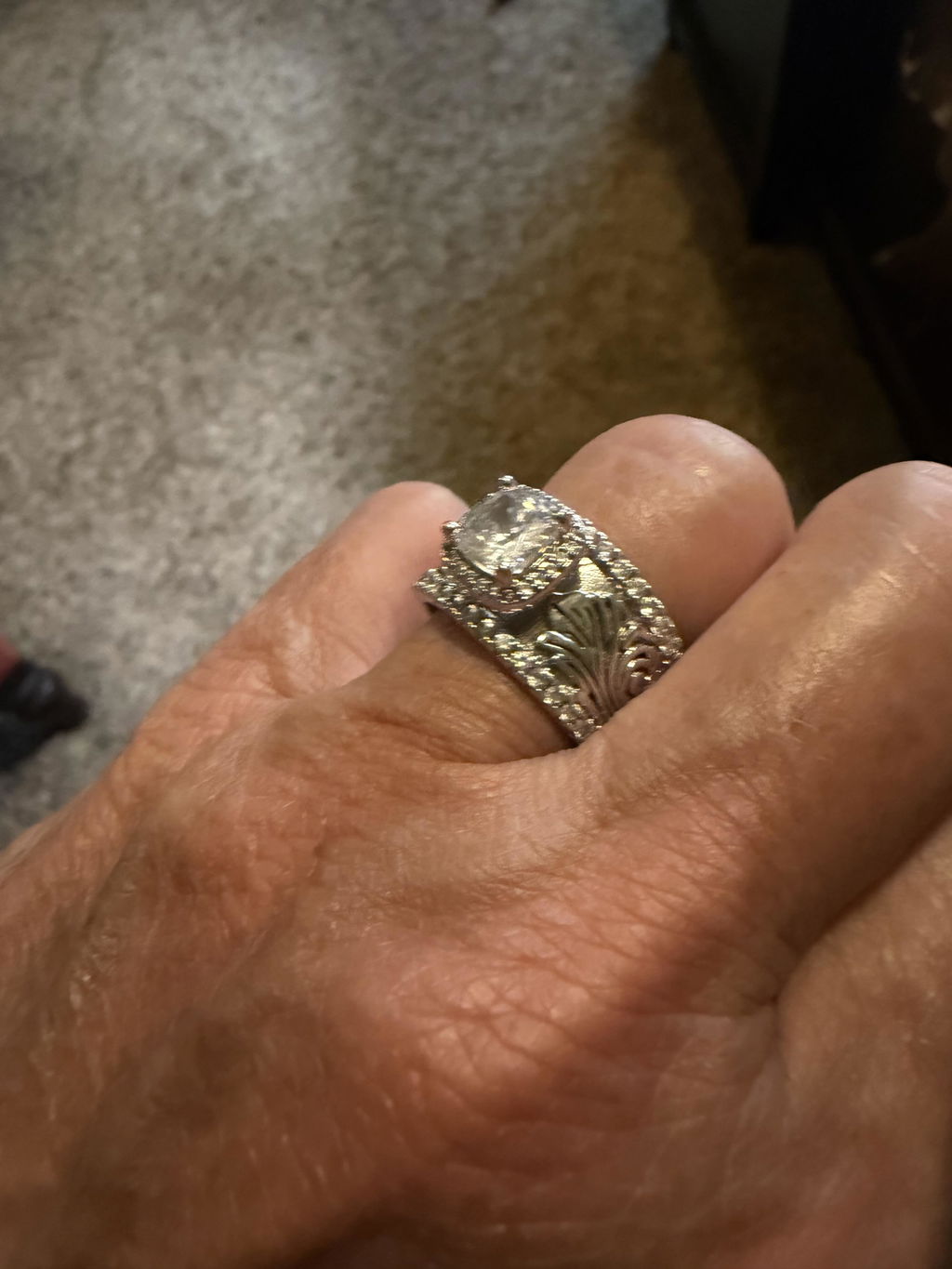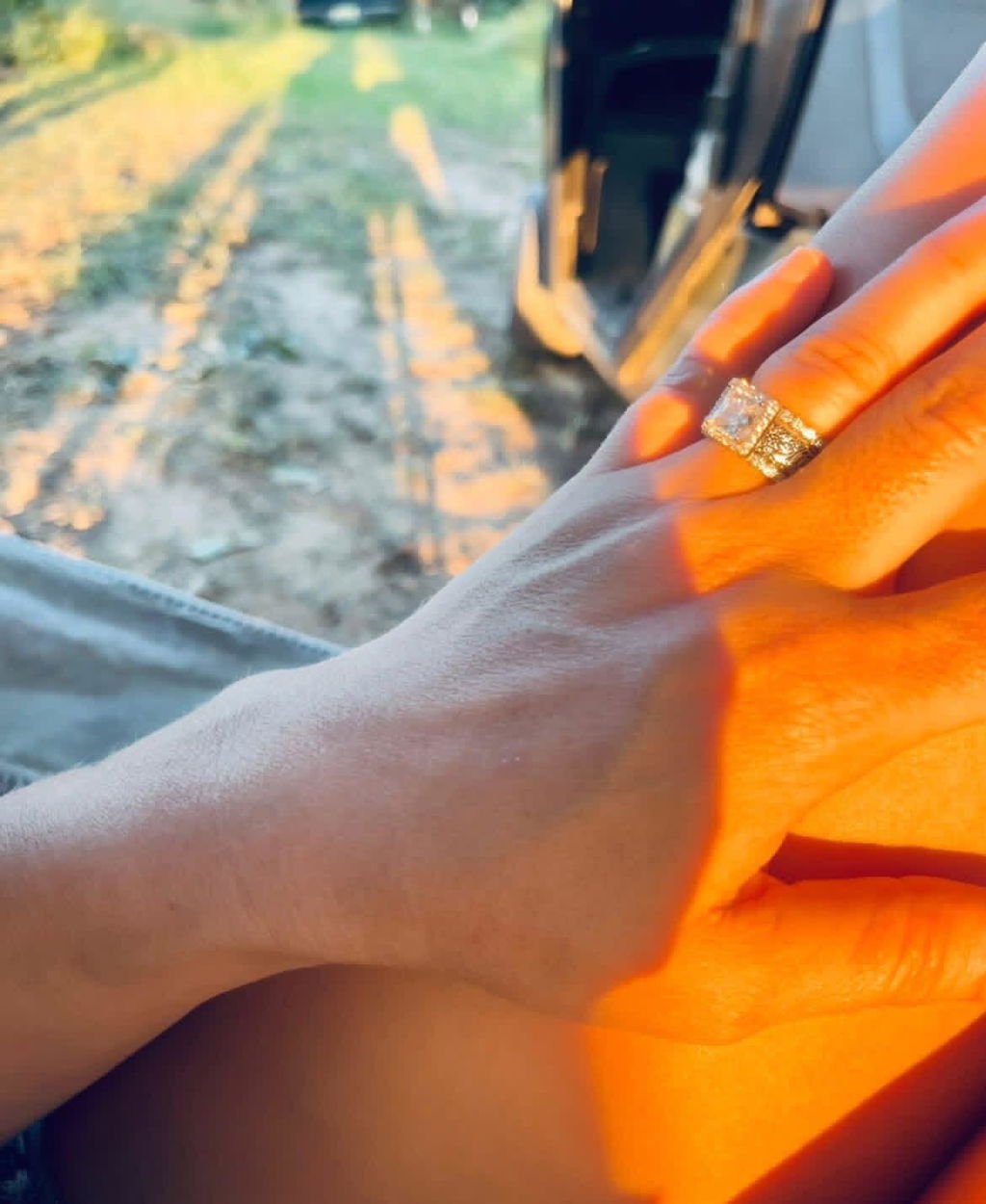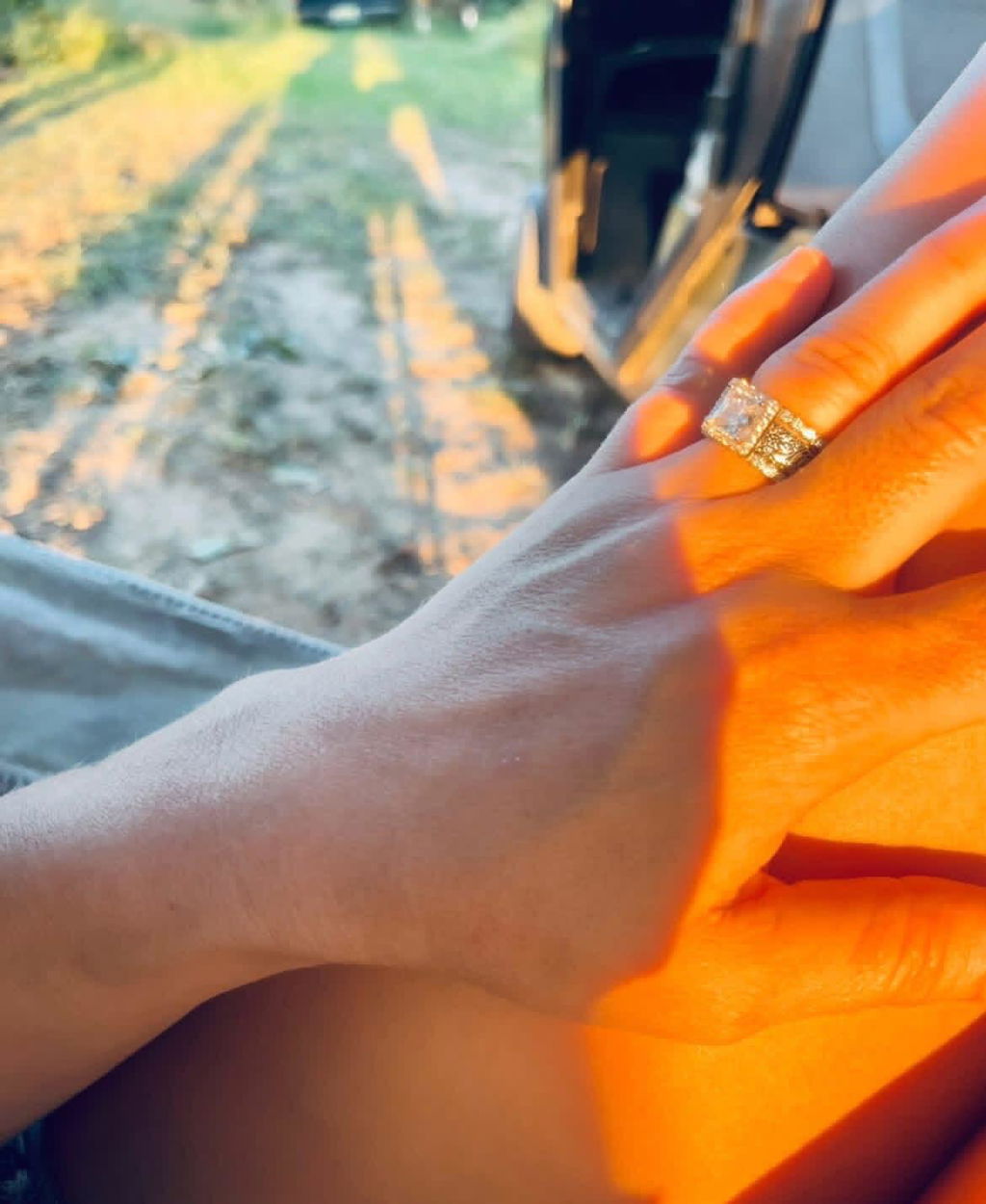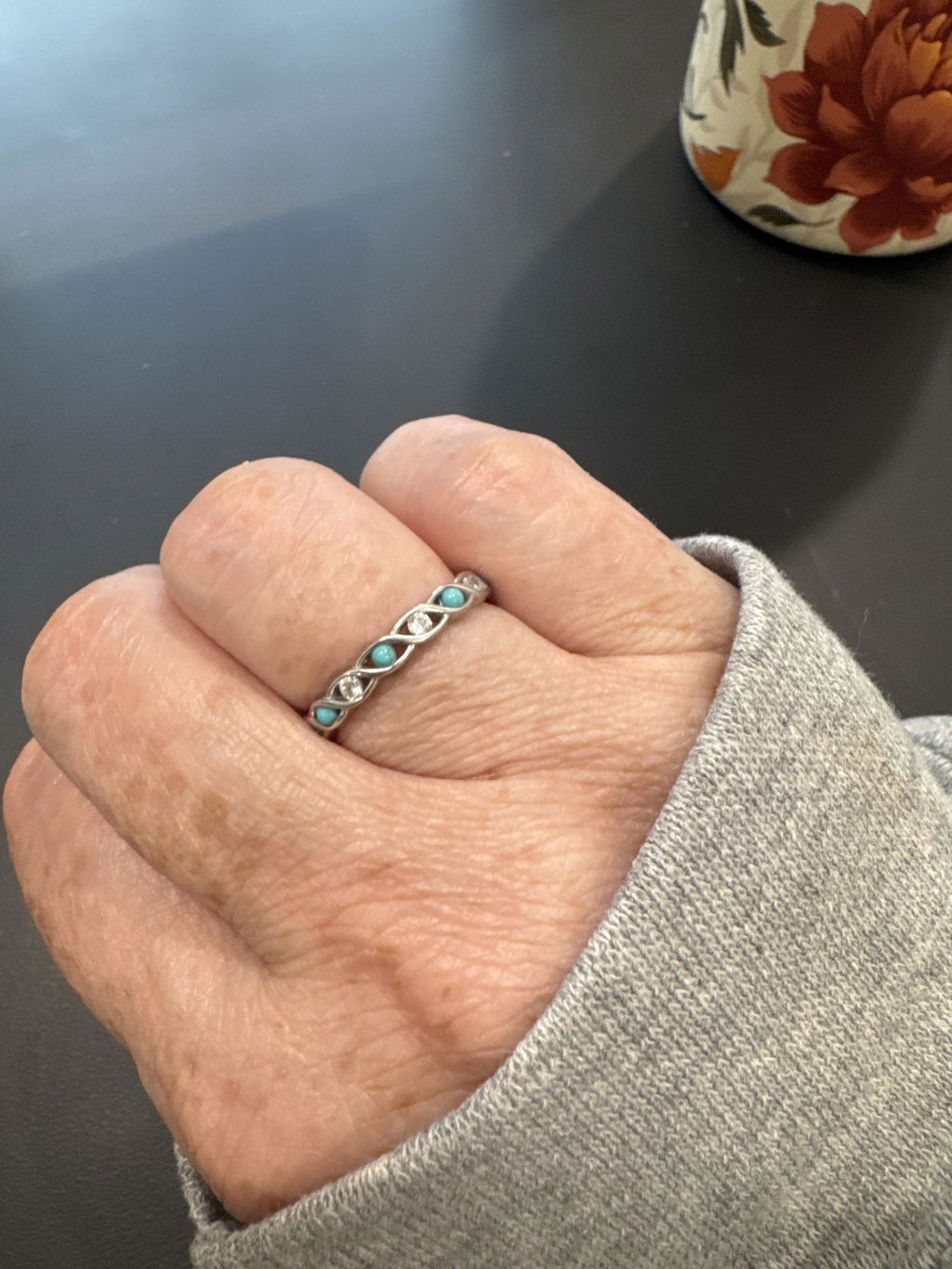

A blue-green stone, a dark web of lines, a silver setting: none of those details is enough to prove that a piece contains turquoise. If you want to know how to identify real turquoise jewelry, start with what the seller can document and use professional identification when the answer matters to your purchase. A photograph can help you ask better questions; it cannot settle every question about material or treatment.
This guide gives you a practical way to check a listing, request useful information and decide what to do next without scratching, heating or applying chemicals to your jewelry.
First, separate three different questions
“Is it real?” can mean several things. You may want to know whether the material is turquoise, whether it has been treated, or whether it comes from a named mine. Keep those questions separate. A clear answer to one does not automatically answer the others.
| Description | Question to ask | Do not assume |
|---|---|---|
| Turquoise | What evidence identifies the stone material? | That its treatment history is known. |
| Natural turquoise | Has it been stabilized, impregnated, dyed or otherwise treated? | That “natural” is a complete untreated claim. |
| Stabilized turquoise | What treatment and any color enhancement are disclosed? | That it is untreated, or that it is an imitation. |
| Composite or reconstituted | What components and binder does it contain? | That it was cut from one intact piece of turquoise. |
| Turquoise-colored | Is this a color description, and what is the actual material? | That the word identifies the gemstone. |
| A named mine | What traceable information supports the origin claim? | That a familiar blue color or matrix pattern proves the source. |
These are shopping questions, not a grading system. GIA notes that turquoise is commonly treated to improve its color or stability, and advises buyers seeking untreated material to work with a knowledgeable jeweler. See its turquoise buyer's guide. An incomplete description is a reason to ask for more information, rather than proof that an item is fake.
Is stabilized turquoise real turquoise?
Turquoise that has been resin-stabilized is treated turquoise; treatment is a different issue from substituting another material. GIA-published research explains how resin filling can improve porous turquoise's appearance and workability. It also shows why treatment identification calls for more than a quick visual check. Read the study of resin-filled turquoise for the laboratory evidence.
That distinction is useful when comparing two listings. If one seller says “natural” and another says “stabilized,” ask both for the full material and treatment description before deciding that they offer entirely different gemstones. The first listing may simply disclose less. Equally, the word stabilized should not be treated as a guarantee of a particular hardness, lifetime or resistance to damage.
Composite material needs a separate explanation
Stabilization and assembly are not interchangeable descriptions. A GIA-published study of composite turquoise examined pieces of turquoise bonded together with polymer. Ask what a seller means by composite, reconstructed or reconstituted, and request the composition in writing. The trade label alone may leave important details unclear.
Imitations are another category. GIA documents ceramic and plastic materials made to resemble turquoise in its guide to gem imitations. An imitation can be a decorative choice when accurately described, but a similar appearance does not make it the same gemstone.
What can photographs actually tell you?
Use photographs to examine the design and to identify questions worth following up. Request an overall view, a close-up and a side or back view where the setting allows. Ask whether you will receive the pictured piece or an example of the same design. That matters when you are choosing a particular pattern rather than just a ring style.
GIA's turquoise quality reference describes variation in color and matrix, including fine turquoise without visible matrix. Dark lines are therefore not a requirement for genuine turquoise, and a smooth blue surface is not evidence of a fake. Matching a photograph to a familiar-looking stone online is not an identification method.
Look for consistency between the photograph and the written description: which part is blue, whether the stone is a center feature or an inlay, and whether all rings in a set have the same accents. If the description and image seem to disagree, ask the seller to explain the exact item. Do not resolve the mismatch by guessing.
The cover photograph is a Retro Turquoise jewelry styling example. A product photograph, including ours, is not laboratory evidence of stone identity, treatment or origin.
A four-step check before ordering
1. Save the description for the exact option
Record the product name, selected metal, size, stone description and any treatment statement. Keep a screenshot or copy of the listing with the date. If the page offers several materials, make sure the specifications apply to the option you intend to buy. A broad collection heading is less specific than an individual item's description.
For sets, list each included ring and its stones separately. A clear center stone and blue accents need different material descriptions. “Turquoise ring” does not mean every stone in the design is turquoise.
2. Ask for answers that can be checked
Send the seller a short request:
Could you confirm the material used in the blue sections of this exact design, including any disclosed treatments? Is the image of the item I would receive or a representative example? If an identification report is available, could you share its issuer, number and the item details it covers?
A useful answer identifies the item and addresses the questions directly. “Premium,” “authentic look” or “high quality” may describe a seller's opinion, but those phrases do not answer a treatment or composition question. Keep the reply with your order information so you can refer to the same description later.
3. Match any report to the jewelry
Read what the document actually covers. GIA describes its Colored Stone Identification Report as identifying the material and listing detectable treatments. Do not assume a report also establishes a particular turquoise mine, an item's age or its resale value.
Compare the report's identifying details with the seller's item, and verify the report through the issuing laboratory where that service is available. If the measurements or photographs do not appear to match, ask about the discrepancy. A report for another stone, or a certificate that does not identify the item, leaves your question unresolved.
4. Decide whether independent examination is worthwhile
If untreated status, provenance or a substantial purchase price is central to your decision, ask a qualified gem professional or laboratory what examination is appropriate. Explain the question you need answered before arranging a service. Confirm its scope, cost and any limits imposed by the setting, and check the seller's return timetable separately.
You do not need to turn every inexpensive accessory into a laboratory project. You do need enough information for the purchase you are making. If a specific claim is essential and cannot be supported, choose another listing or postpone the purchase. A seller's limited information is not a reason to invent certainty in either direction.
Skip home tests that may damage the piece
Do not scratch the stone, press a hot pin against it or rub it with nail-polish remover to try to settle the question. Damage to a finish, treatment or surrounding component can leave you with both a marked item and an unanswered identification question.
GIA's turquoise care guidance warns that heat and solvents can damage treated surfaces and advises against steam or ultrasonic cleaning. Care for the complete piece while you seek clarification; a metal setting or mixed-material inlay can need additional precautions. Our turquoise jewelry care guide covers everyday handling separately.
Also avoid treating weight, a cool feel, price or a seller's reputation score as a verdict. Those observations do not answer all the questions in the table above. Use them to frame a conversation, not to replace a material identification.
Two common buying misunderstandings
Does a 925 stamp prove the turquoise is genuine?
No. A marking on the metal and a claim about the stone concern different parts of the item. Our silver hallmarks guide explains the metal side in more detail. Keep the stone's identity and treatment on your checklist even when the ring has a familiar stamp.
Does a low price prove the turquoise is fake?
No single price establishes identity. Compare the information supplied, included pieces, materials and the claims being made. A higher price does not supply missing documentation either. The useful question is whether the specific item and its description match what you intend to buy.
Use the checklist on your next shortlist
When browsing turquoise ring styles, start with two or three designs and record the answers side by side. If you are shopping for a proposal, compare turquoise engagement rings using the same questions rather than changing the standard because a piece is described as bridal.
For a Retro Turquoise item with an unclear specification, ask our team about the exact design before ordering. Include its link and selected option. The most useful outcome is a clear description you can check, with any unanswered questions left visible.
Prepared by the Retro Turquoise Editorial Team. Reviewed October 8, 2026. This educational checklist draws on the sources linked above; it is not an identification report or a claim of gemological testing of our products.