
A small stamp can answer one question about a ring and leave several others open. A 925 mark concerns the silver alloy. It does not identify a blue stone, document a turquoise mine, date a vintage-looking design, or describe a surface coating. When you shop for a silver and turquoise ring, those are separate details worth checking.
This guide explains how to read material descriptions, distinguish a fineness stamp from an independent hallmark, compare product photographs, and choose care that suits the whole ring. It draws on the FTC, the Goldsmiths' Company Assay Office, and GIA. Our examples illustrate a shopping process; they are not laboratory authentication of the photographed jewelry.
What does 925 mean on a silver ring?
The FTC's precious-metal buying guide describes sterling silver as 92.5% silver. The number 925 expresses that proportion in parts per thousand. Silver plate is different: it is a layer of silver over a base metal. A silver-colored surface alone cannot tell you which construction you are looking at.
Read the material line before interpreting the photograph. If the listing says only “silver-tone,” ask what the underlying metal is. If it says sterling silver with plating, record both the base material and the finish. When comparing sterling silver Western rings, use the individual product specifications rather than assuming every component or finish is identical.
A useful comparison of common descriptions
| Description | What it tells you | What to ask next |
|---|---|---|
| 925 / sterling silver | A silver alloy described as 92.5% silver | Is the surface plated or intentionally darkened? |
| Silver-plated | A silver layer over another metal | What is the base metal and recommended care? |
| Silver-tone | The appearance of the finish | What material is actually used? |
| Plated sterling silver | A sterling base plus a surface coating | Which coating, and can it be serviced? |
| Turquoise inlay | A description of the stone arrangement | What is the stone material and treatment status? |
Use this table to organize questions, not to grade an item from its name. For a multi-ring set, request the material for each included ring. A broad set title may be less specific than the component descriptions farther down the page.
A fineness stamp and a hallmark are different evidence
A visible 925 stamp is a starting point, not a complete identification record. In the UK system, an independent hallmark is a group of marks. The Goldsmiths' Company Assay Office explains the fineness, sponsor, and assay-office information within that group. An optional date letter is another component. Marking systems differ between countries, so a British reference chart should not be used as a universal checklist.
Ask for photographs that answer a specific question
Request a sharp picture of the inside of the band and a wider view showing where the mark sits. Ask the seller to transcribe the mark as well. Glare, wear, a curved surface, or an out-of-focus photograph can make a number ambiguous. Keep the image with the written material description so you can compare the two.
If a mark conflicts with the listing, pause the purchase and ask for clarification. If independent verification matters, ask a qualified jeweler what testing is appropriate for the complete piece. Do not scratch a finished ring or apply acid as a casual home test, particularly beside a gemstone or coating.
A hallmark is also not a turquoise-origin certificate. The Assay Office's hallmarking notice distinguishes the place of hallmarking from the place of manufacture. Likewise, a vintage-inspired scroll pattern does not establish a ring's age or the identity of its maker. Ask for provenance separately when those details influence your purchase.
Read the stone and finish as separate specifications
Turquoise can differ in color, texture, and treatment. GIA describes treatments such as wax or polymer impregnation in its introduction to gem treatments. A stone described as natural is not automatically described as untreated. A mine name is another claim again; it needs supporting information rather than a guess based on blue color or a matrix pattern.
For a shopping shortlist, make four separate notes: base metal, surface finish, stone identity, and disclosed treatment. A missing answer stays a question. Do not turn “turquoise-colored,” “turquoise inlay,” and “untreated natural turquoise from a named mine” into interchangeable descriptions.
For the stone itself, our guide to checking whether turquoise is real walks through seller questions, treatment disclosures and independent identification. Use it alongside the metal-mark checks here.
Check the center stone as carefully as the blue accents
Clear stones can be described as diamond, cubic zirconia, zircon, or moissanite; these terms are not interchangeable. If a title and a specifications list use different names, ask which applies to the exact variant you intend to buy. GIA's turquoise reference is useful background on the gemstone, but general educational material cannot certify the contents of an individual ring.
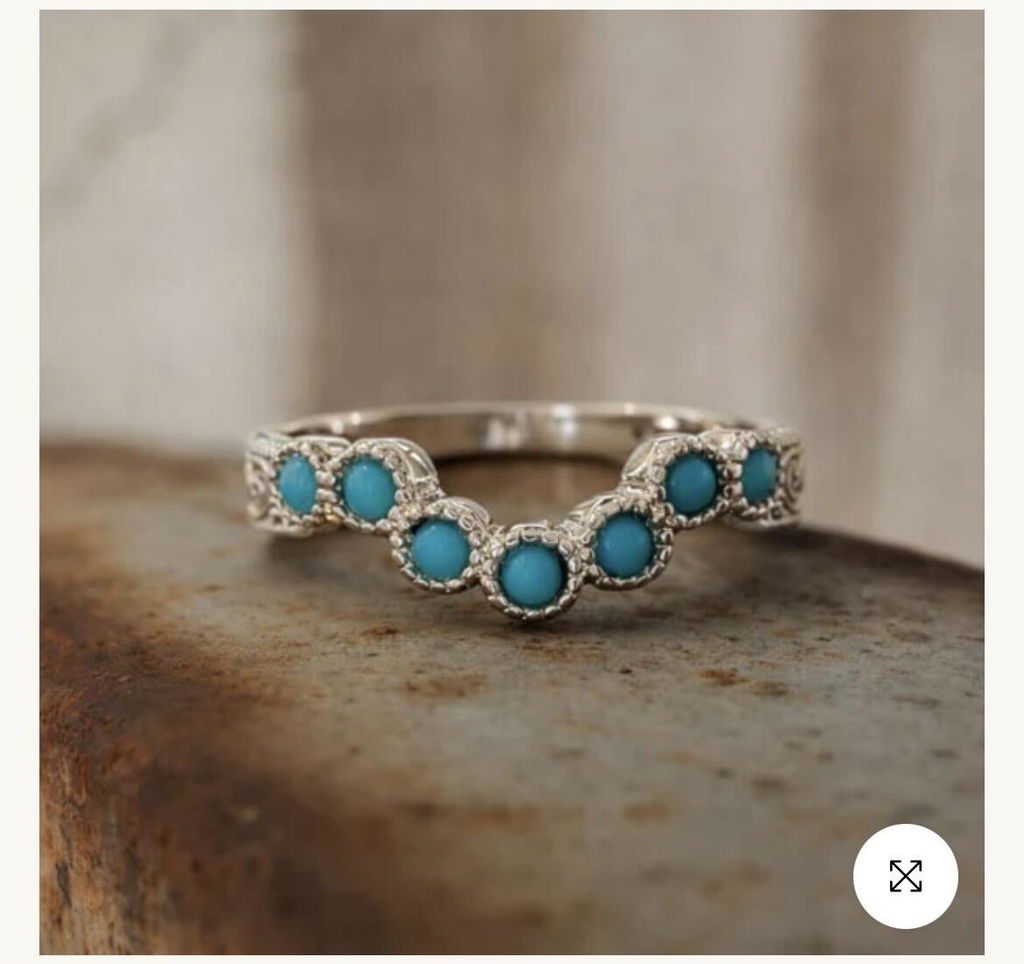
When browsing vintage-style turquoise rings, compare the details on each listing. Treat “vintage-style” as a design description unless the seller supplies an actual age and history. This keeps the appeal of a design separate from claims about age, stone origin, or production method.
Compare front and side photographs before choosing a setting
A front view helps you compare the arrangement of a center stone, colored accents, and matching bands. A side view helps you judge how the setting rises above the finger and how the bands meet. Ask for measurements rather than estimating millimeters from a photograph without a scale.


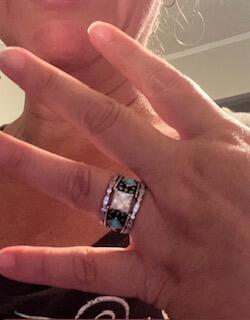
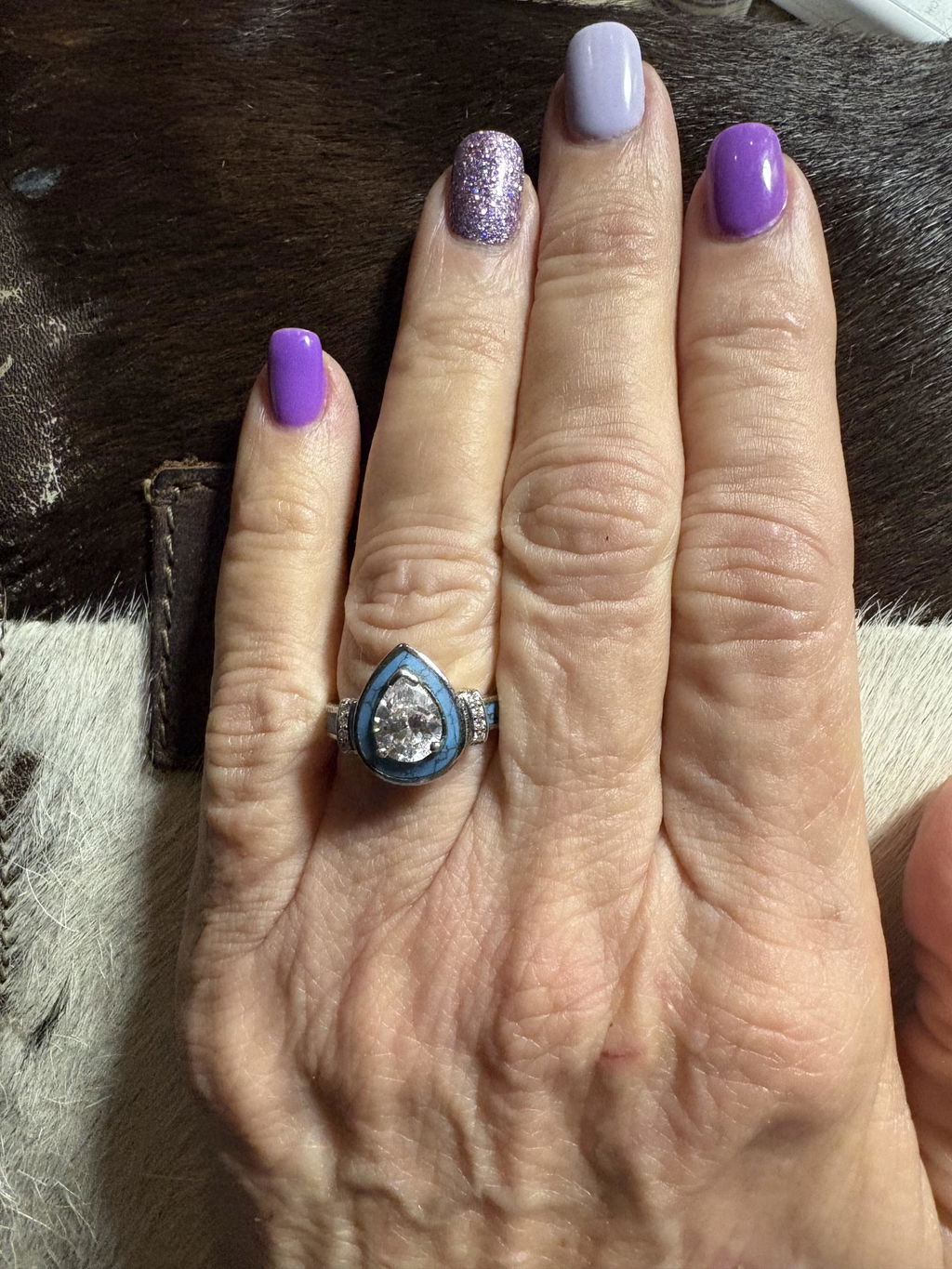
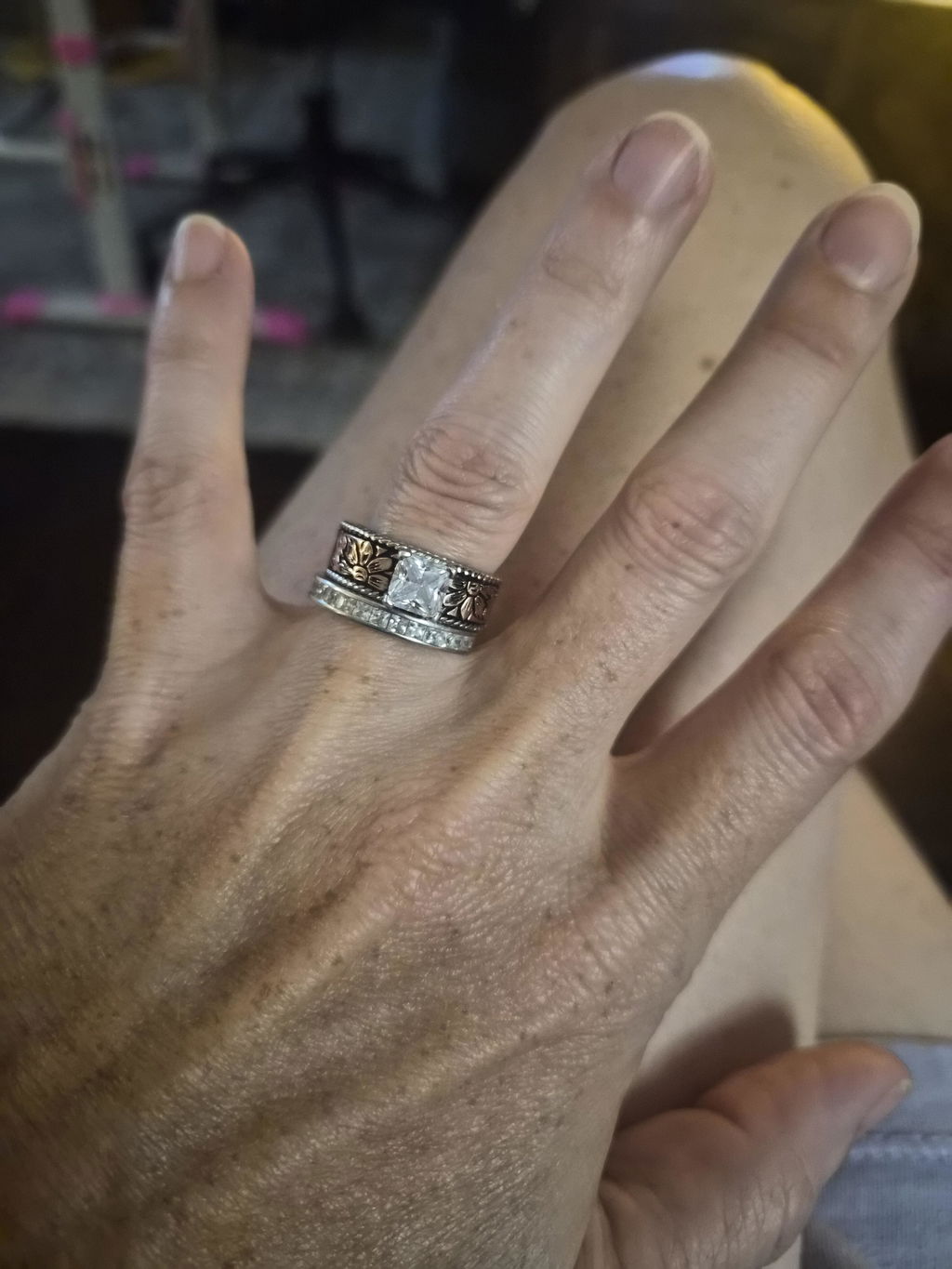
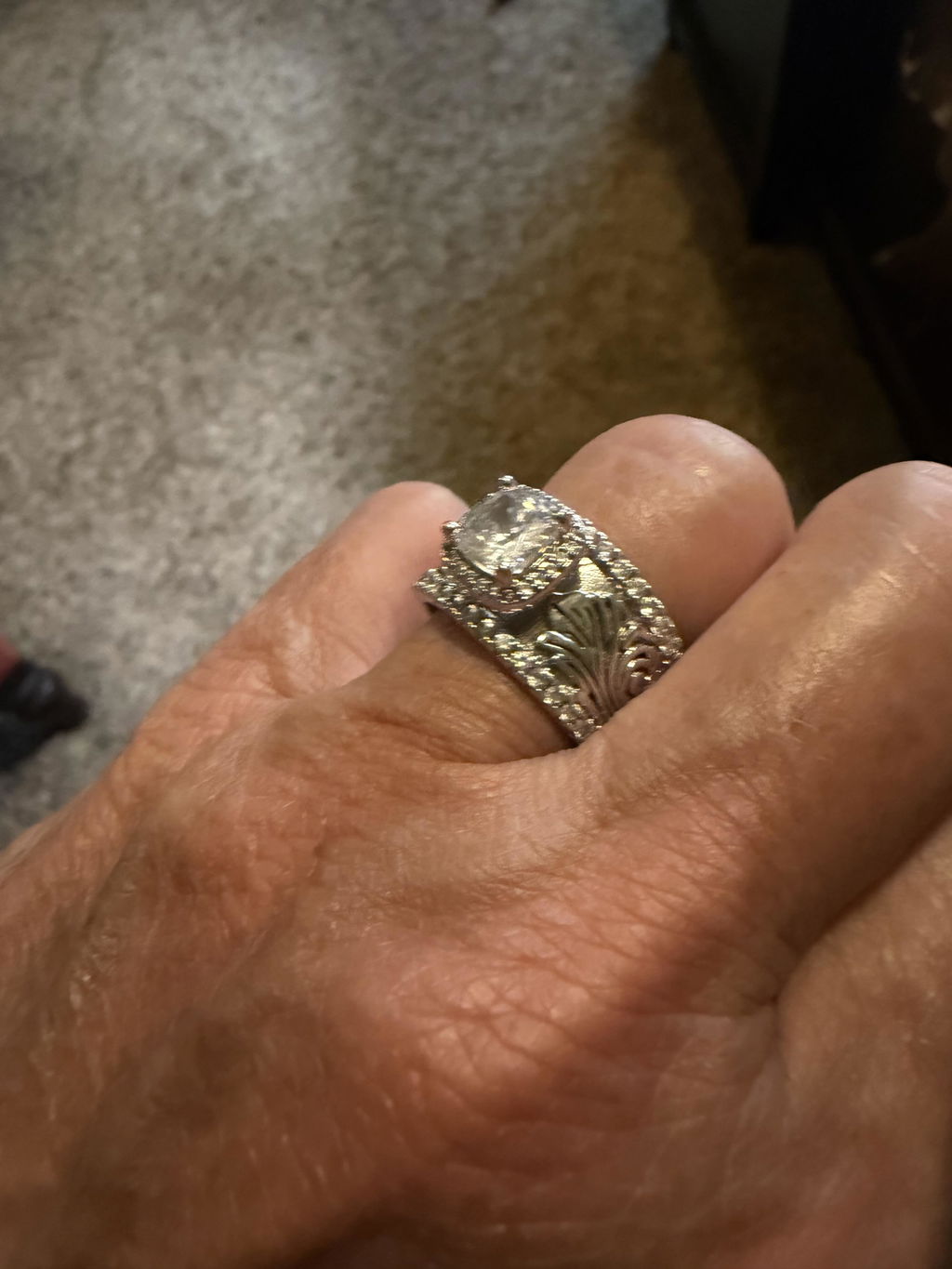
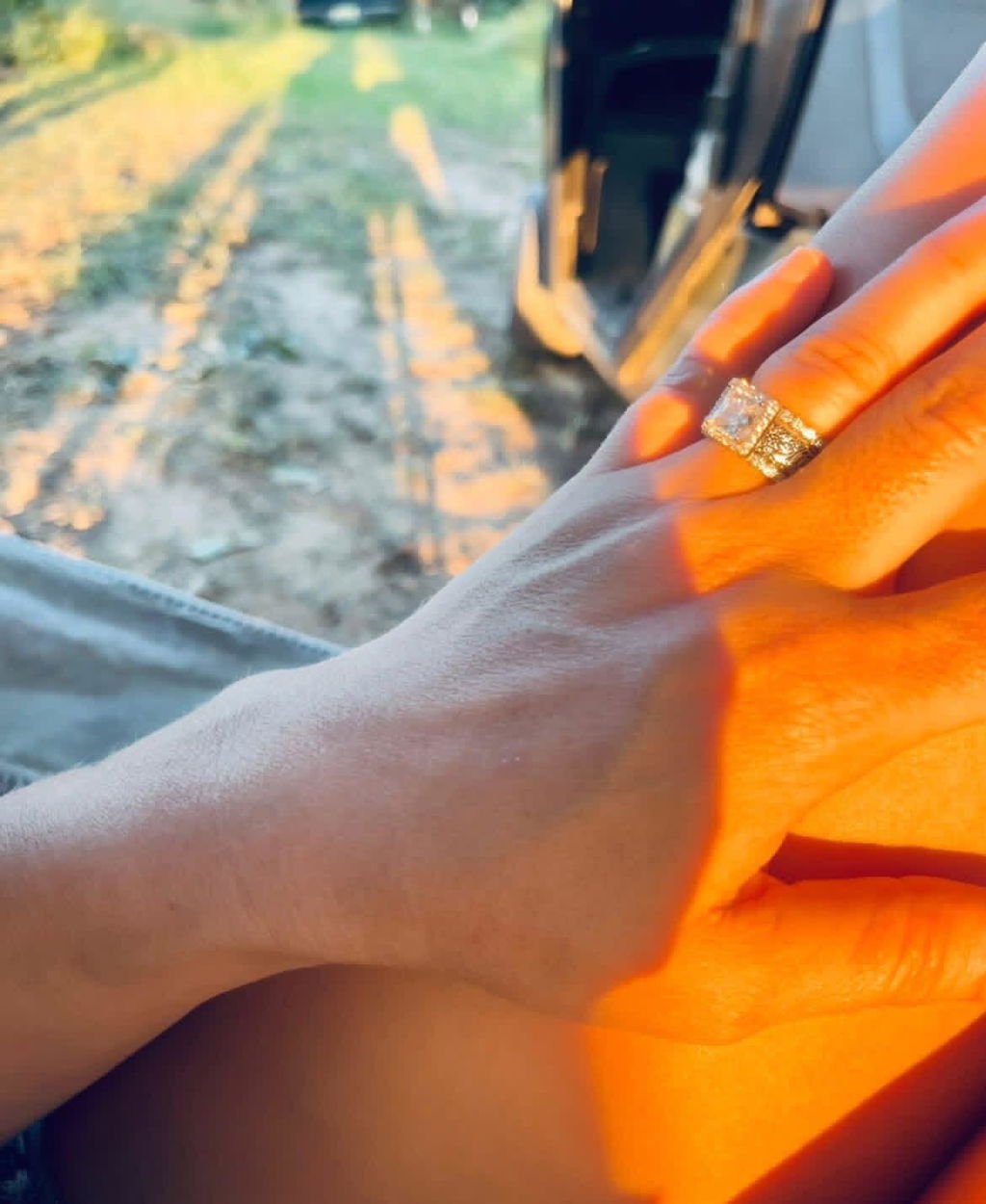
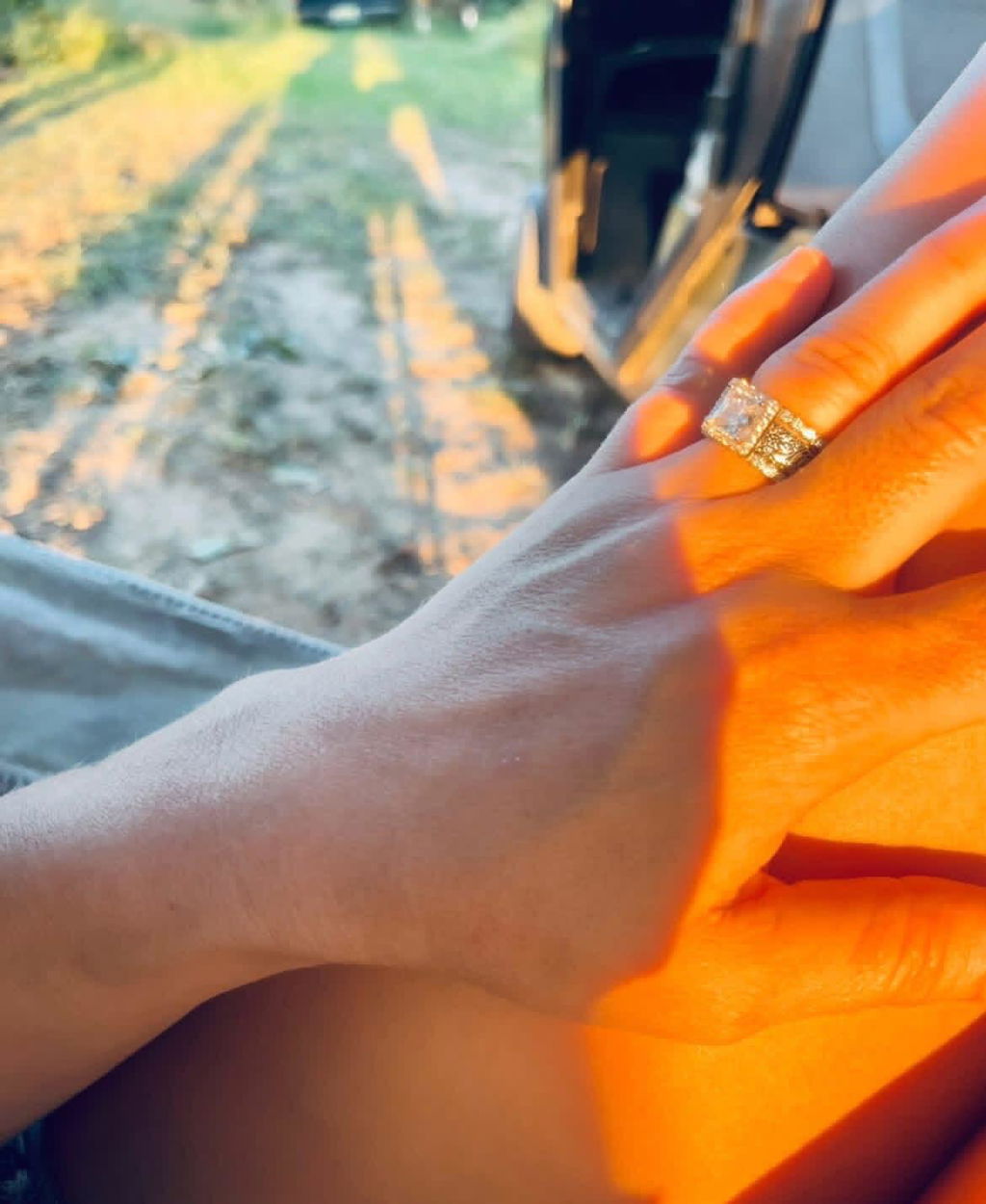
The pictured three-piece turquoise bridal ring set is described on its product page as sterling silver with a princess-cut CZ center and turquoise inlay. The photographs are useful for comparing its construction from two angles. They are not close-ups of a hallmark, and no hallmark or mine attribution should be inferred from them.
Before ordering a stack, confirm the total number of rings, the size selected, and whether all bands share that size. Also ask whether a published width refers to one ring or the assembled stack. Those practical details make comparisons between two sets much more useful than comparing piece count alone. For couples choosing separate rings, compare these his and hers Western rings with turquoise and check the size and material specified for each ring.
Build a care routine around the whole ring
Cleaning instructions for plain silver do not automatically suit silver set with turquoise. GIA's turquoise care guide places the gem at 5–6 on the Mohs scale and warns against steam and ultrasonic cleaning. Chemicals, heat, and some personal-care products can affect it; treatments may introduce additional sensitivities.
Start with the least aggressive suitable method
For routine surface dust, use a clean, soft cloth and a light touch. If more cleaning is needed, follow the instructions for that ring's stone, coating, and setting. GIA permits warm soapy water for turquoise, but that general advice does not establish that an unknown adhesive, inlay, or plated component should be immersed. Ask the seller or a jeweler when construction or treatment is uncertain.
GIA's jewelry-cleaning guidance stresses matching cleaning products to the material. Keep metal polish away from turquoise and use only a method suitable for the surface finish. A product advertised for silver alone is not enough information to decide whether it belongs on a mixed-material ring.
Distinguish tarnish from an intentional finish
Dark recesses can be part of a design. GIA's comparison of white gold and silver notes both silver's tendency to tarnish and the use of deliberate darkened finishes. Before polishing engraved details, ask which areas should remain dark. If you notice peeling, an exposed different-colored layer, or a loose stone, ask for inspection instead of escalating to a stronger cleaner.
For a more detailed routine focused on the gemstone, continue with our turquoise cleaning and storage guide. Keep the product's own instructions alongside it so the general guidance does not replace information about your particular ring.
Store the ring so tomorrow's care is simple
GIA's jewelry-care guidance recommends separating pieces and using suitable anti-tarnish storage for silver. Choose a designated, lined place for the ring when you remove it. Let a cleaned piece dry before putting it away, and keep it away from loose items that can rub against the surface.
A practical habit is to keep the storage pouch where you normally prepare for cleaning, exercise, or travel. Put the ring away before starting the activity, rather than leaving it on a sink edge. For a multi-piece stack, store the rings together in separate soft sections so you can find the whole set without allowing the surfaces to knock against each other.
Keep a simple record with your receipt, product description, selected size, mark photographs, and care instructions. Add notes if the ring is resized or refinished. These records help you describe the piece accurately when requesting service and avoid relying on memory after a listing changes.
A final checklist for comparing two rings
Make a small comparison sheet before deciding. Put the two product names at the top and answer the same questions for each. Leave unresolved details blank until the seller responds; a lower price is not a substitute for knowing what is included.
- What is the base metal of every included ring?
- Is there plating, a coating, or an intentionally darkened finish?
- What are the center stone and the blue accents actually described as?
- Are any treatments or origin claims documented?
- Which size, number of pieces, and measurements are included?
- What do the return, resizing, and care instructions say for this item?
If an answer changes your choice, get it before ordering. For example, someone comparing a single ring with a bridal stack should resolve the assembled width and piece count first. Someone buying for a particular turquoise mine should prioritize supporting origin information rather than selecting the closest-looking photograph.
Once the specifications are clear, compare the styles that suit you. Our turquoise engagement ring collection offers a starting point for that comparison. Check each product page for its current materials, available sizes, and included pieces before choosing a ring.
Frequently asked questions
Does a 925 stamp prove that turquoise is genuine?
No. The mark concerns the metal's stated silver content. Stone identity, treatment, and origin require separate information; a silver stamp cannot answer those questions.
Does vintage-style mean a ring is an antique?
No. Vintage-style describes the design. Ask for an age, history, and supporting documentation if you are specifically looking for an older or collectible piece.
Can I use the same cleaner for silver and turquoise?
Only if the method is suitable for every material and finish in the ring. Follow the specific care instructions, keep unsuitable metal polish off the stone, and avoid steam or ultrasonic cleaning for turquoise.
Prepared by Retro Turquoise for buyer education. Sources checked September 25, 2026. This guide explains shopping and care questions; it does not claim gemological testing of the products pictured. Product specifications and policies should be checked on the current listing.